Maybe you searched "how to start therapy" late at night. Maybe you opened a scheduling page, stared at it, and closed the tab. Maybe you have wondered for months, or years, whether what you are dealing with is "serious enough" to bring to a counselor.
Or maybe the hard part is not you alone. It is the two of you. The same argument keeps coming back. Conversations end in silence. You live in the same house and feel like roommates.
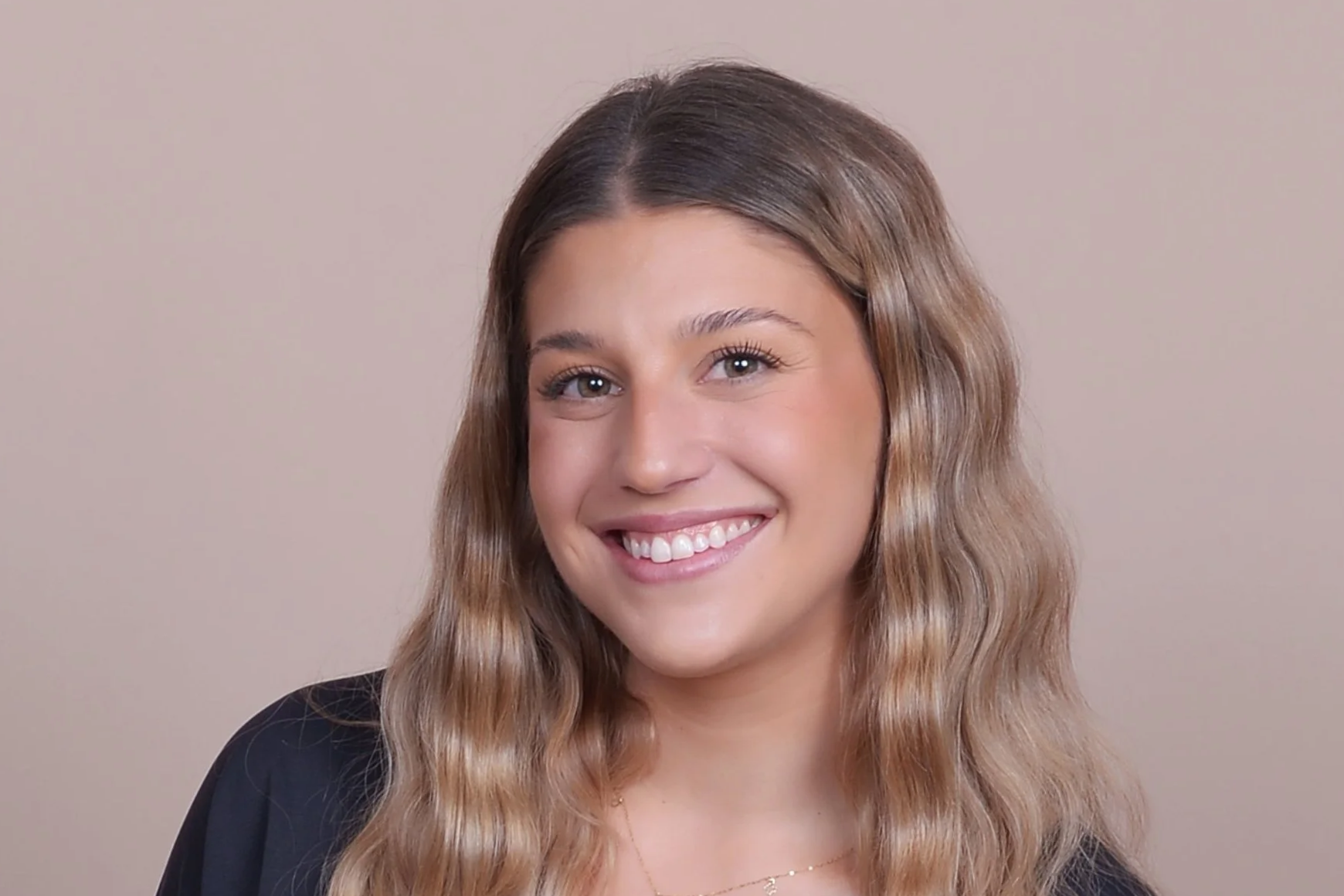
This is Part 3 of a three-part series introducing Kate Ottley, a Provisional Licensed Professional Counselor (PLPC) at gokc Healing Center in Brookside. If you are just joining us, Part 1 covers people-pleasing, anxiety and self-esteem, and Part 2 covers trauma and depression. This post is for first-time therapy clients and for couples. Kate has been in your shoes, and she is glad to be the person you start with. If you are ready, you can request a time here.
Why starting therapy feels so hard
If you are nervous, you are in good company. Here are some of the worries people tell us they have before their first appointment:
- "I don't know what to say."
- "What if the counselor judges me?"
- "Other people have it worse. I should be able to handle this."
- "What if I cry? What if I do not cry and feel nothing?"
- "How do I even pick the right person?"
- "What if it costs too much, or I do not stick with it?"
These are normal questions. None of them mean therapy is not for you. Most counselors, Kate included, expect first sessions to feel a little awkward, and they plan for it.
What usually happens in a first session
Every counselor works a little differently, and Kate will walk you through exactly how things will go. In general, a first session tends to look like this:
- Some paperwork and a few practical details. You will review consent information and how sessions work, including privacy and its limits.
- A conversation about what brought you in. You do not need a speech prepared. "I have been feeling off and I am not sure why" is a perfectly good starting point.
- Questions from Kate, and from you. She will ask about what is going on and what you would like to change. You are welcome to ask about her approach, how often to meet and anything else on your mind.
- A first look at goals. Not a final plan, just a direction.
- A chance to see how it feels. The most important question after a first session is whether you felt safe enough to come back.
You are not signing up for forever. Fit matters, and it is okay to take the first session to see whether it feels right.
How to choose a counselor in Kansas City
There are a lot of options across the metro, and it helps to know what you are looking for:
- Comfort. Do you feel listened to, not lectured? This matters more than almost anything else.
- Experience with what you are facing. Kate's focus is people-pleasing, anxiety, trauma, depression, self-esteem, identity and relationship struggles, along with first-time clients.
- Credentials. Kate is a Provisional Licensed Professional Counselor (PLPC). If you want to know what that means for your care, ask her. She is happy to explain.
- Logistics. In person in Brookside, or virtual if you live in Missouri. Think about what you will realistically keep showing up for.
- Cost, stated plainly. Kate is private pay and does not work with insurance. We would rather you hear that now than after you have gotten your hopes up. If insurance is a must for you, reach out anyway. gokc has other clinicians, and we can help you find a good fit.
Kate is currently welcoming new clients, including people who have never done therapy before. If you are not sure where to start, that is a fine place to start. Send a request and we will take it from there.
When the struggle is in your relationship
Many couples wait a long time to seek help. Some feel like they should be able to fix it on their own. Some worry that going to counseling means the relationship is failing. In reality, plenty of couples come in because they care about each other and want things to feel better.
Here are a few things couples often bring to counseling:
- The same argument on repeat, with different details each time.
- One person pulls away or shuts down while the other pushes for a conversation.
- Feeling more like co-managers of a household than partners.
- Trust that has been shaken and has not fully recovered.
- Stress from big changes, like a new baby, a move, a job change, caring for a parent or a blended family.
- Different needs around closeness, space, money, intimacy or how to handle conflict.
- Feeling unheard, and not being sure how to say so without starting a fight.
You do not need to be on the brink for couples counseling to help. You also do not have to agree on what the problem is before you walk in the door.
What couples counseling with Kate looks like
Couples counseling is not a courtroom, and Kate is not there to decide who is right. Her role is to help each of you feel heard and to help you understand the pattern you are caught in, because the pattern is usually the real problem. A few things you can expect:
- Each person gets space to talk. You will not be talked over or ganged up on.
- You learn to spot the cycle. Often one partner's reaction sets off the other's, and each of you is trying to protect yourself in a way that makes things worse.
- You practice new ways to talk. That can mean saying what you feel and need without blame, and listening without getting defensive.
- You work at a pace that fits. Hard topics are approached carefully, not forced.
What if my partner will not come? Individual counseling can still help. You cannot change another person, but you can change how you respond, how you set boundaries and how you take care of yourself. Many people find that when one person starts doing things differently, the relationship shifts too.
Sometimes the best answer is a combination: a few sessions on your own to get steady, then couples sessions, or the other way around. Kate can talk this through with you.
A few things to try before your first session
- Jot down three things you want to be different. They do not need to be polished. A note on your phone is fine.
- Notice when it is hardest. Mornings? After work? Right after a conversation with a certain person? Patterns are helpful for a counselor to hear.
- Try a softer start with your partner. Instead of "You never help," try "I'm feeling stretched thin, and I'd like us to talk about the week ahead." It will not solve everything, but it can lower the temperature.
- Get outside together or on your own. A walk through Loose Park or around the neighborhood gives you both a break from screens and a place for conversations that feel less intense.
- Be kind to yourself about the nerves. Reaching out is the hardest part for many people.
Where and how Kate sees clients
Kate sees individual adults and couples in person at gokc's Brookside office (6155 Oak St, Suite E-5, Kansas City, MO). It is convenient for Brookside, Waldo, Plaza and Midtown, and an easy drive from Prairie Village, Mission Hills, Leawood and Overland Park. She also offers virtual therapy to Missouri residents, which works well for people in Lee's Summit, Independence, Liberty, the Northland and beyond. For virtual couples sessions, we will confirm the details with you when you reach out.
If you live in Kansas, in-person sessions at the Brookside office are the way to work with Kate.
Common questions
How often will we meet?
Many people begin with regular sessions, often weekly or every other week, then adjust. Kate will talk through what makes sense for your situation and goals.
Do I have to talk about my childhood?
Only if it feels relevant and you want to. Counseling follows what matters to you.
Does couples counseling mean we are headed for a breakup?
No. Many couples come because they want to stay together and want things to feel better. Counseling can also help people sort out difficult decisions, whatever they turn out to be.
What if I try it and it is not a good fit?
That happens, and it is okay to say so. Fit matters, and we would rather you find the right support than stay somewhere that does not feel right.
Is it too late to start?
No. People start therapy at every age and stage. The best time is usually when you are ready to reach out, and you are reading this, so that may be now.
You do not have to figure out therapy before you begin. Kate has room for a few new clients, whether you are coming on your own or with your partner, and she would be glad to meet you.
Prefer to call? Reach gokc at 816-237-8330.
Missed the rest of the series? Read Part 1 on people-pleasing, anxiety and self-esteem and Part 2 on trauma and depression. You can also meet the rest of the gokc team.
Kate Ottley, PLPC, provides in-person counseling in Brookside, Kansas City, MO, and virtual counseling for Missouri residents. gokc Healing Center also serves clients in Waldo, Prairie Village, Leawood, Overland Park, Mission Hills, Lee's Summit and the Northland. This post is for general information and is not a substitute for professional mental health care.